
The Surprising Connection Between Autism, Histamine & the Brain
Histamine is involved in immune responses, digestion, sleep, and brain signaling. Understanding these pathways can add valuable context to an autistic child's nutritional needs.
What parents may notice
- Sleep difficulties
- Digestive discomfort or constipation
- Restricted eating and food sensitivities
- Skin or allergy-related symptoms
- Changes in comfort and regulation
What biology can tell us
- AOC1 (DAO) and HNMT: histamine breakdown
- MTHFR and MTRR: folate and methylation pathways
- COMT and MAOA: neurotransmitter metabolism
- PEMT: choline and cell membranes
- SLC23A1 and SLC23A2: vitamin C transport
Why do these pathways matter?
Histamine acts as both an immune messenger and a neurotransmitter. Nutrients such as vitamin C, B6, B12, folate, magnesium, and choline participate in related physiological processes. Genetic variants can help us explore individual differences, alongside diet, symptoms, and health history.
How Molecular Health Co. can help
We bring genetic pattern mapping together with your child's health history to create a personalized genetic report and orthomolecular nutrient protocol.
- Genetic variants explained in understandable language
- Histamine, methylation, and nutrient pathway insights
- Personalized nutrition priorities
- Supplement forms, amounts, timing, and implementation guidance
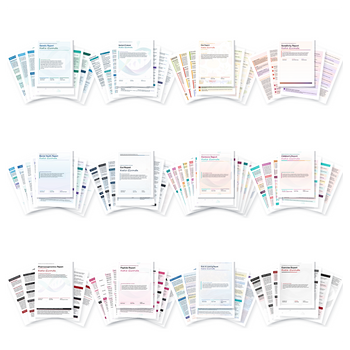
Platinum Report
$500.00
Already have compatible raw DNA data? Order the report only. Need testing? Check the box to add a DNA kit.
Molecular Health Co. | Personalized genetics and orthomolecular nutrition